Winter in Alaska is a seasonal reality that tests even the most experienced drivers. Starting as early as October and stretching well into May, the season brings months of severe cold, limited daylight, and unpredictable road conditions.
Whether you are navigating your daily commute along the Glenn Highway or making a long-haul trip down the Seward, understanding winter hazards and taking proactive steps can mean the difference between arriving safely and suffering a serious car accident.
Key Winter Road Hazards in Alaska
The Last Frontier presents road conditions unlike anywhere else in the nation. Recognizing specific seasonal hazards helps you react quickly when seconds count:
- Black Ice: Extremely treacherous because it is nearly invisible, black ice forms rapidly on shaded highway sections, bridges, and overpasses when temperatures hover near freezing.
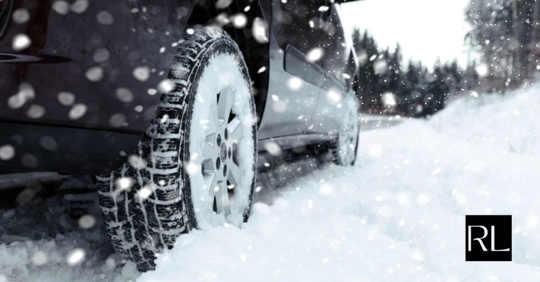
- Deep Snow and Slush: Thick accumulations reduce tire traction, pull vehicles toward the shoulders, and drastically increase stopping distances.
- Whiteout Conditions: Sudden blizzards and high winds can drop visibility to zero in moments, leaving drivers disoriented.
- Wildlife Crossings: Reduced daylight hours draw animals like moose onto roadways in search of easier travel routes, increasing the risk of crashes.
How to Prepare and Drive Safely
Adapting your driving habits and preparing your vehicle before heading out are your primary lines of defense.
Winterize Your Vehicle
Before the first major freeze, equip your vehicle with quality winter or studded tires. Have your battery, brakes, heater, and defroster inspected. Always carry an emergency winter kit containing blankets, extra warm clothing, water, non-perishable food, a shovel, a flashlight, and tow straps.
Adjust Your Driving Mechanics
- Slow Down: Posted speed limits apply to ideal, dry road conditions. Reduce your speed significantly on snow-packed or icy pavement.
- Increase Following Distance: Allow at least 8 to 10 seconds between your vehicle and the car in front to give yourself time to stop safely.
- Smooth Controls: Avoid sudden braking, sharp steering, or quick acceleration. Smooth, gentle movements help maintain tire grip.
- Never Pass Snowplows Recklessly: Keep at least 200 feet behind maintenance equipment and wait for clear visibility before attempting to pass.
Protecting Yourself After an Accident
Even meticulous preparation cannot control the actions of other drivers on slick roads. If you or a loved one suffers an injury in a winter vehicle collision, seek immediate medical attention and document the scene thoroughly.
At Rosano Law, we understand how overwhelming a winter crash can be. Our compassionate legal team is dedicated to fighting for your recovery, handling complex insurance claims, and ensuring you receive the compensation you deserve.
If you need assistance following an accident, contact us today at (907) 312-2292 for guidance.